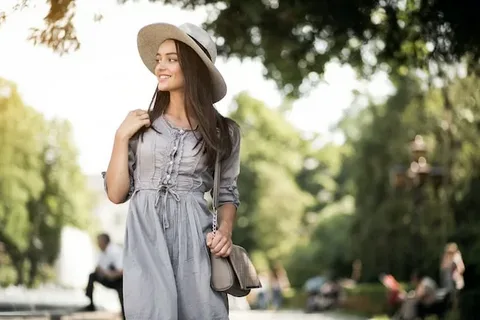
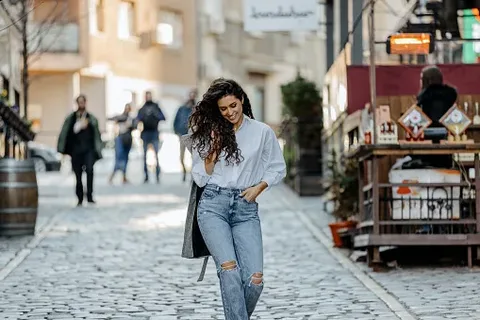
Most people think fashion is simply about looking attractive, following trends, or expressing creativity. While these are certainly part of personal style, the clothes we wear influence us in ways that extend far beyond appearance. Every outfit communicates subtle messages about personality, professionalism, confidence, and even emotional state before a single word is spoken. Whether you’re attending a job interview, meeting friends for brunch, giving a presentation, or walking into a room full of strangers, your clothing becomes one of the first forms of communication others receive.
Interestingly, this influence doesn’t stop with how others perceive us. Research in psychology has shown that clothing also affects how we think, behave, and feel about ourselves. The right outfit can make us feel more capable, confident, and prepared, while uncomfortable or poorly fitting clothes can quietly undermine our self-esteem throughout the day. Understanding the science behind style isn’t about buying expensive wardrobes or chasing every fashion trend. It’s about learning how thoughtful clothing choices can positively influence confidence, mood, and everyday interactions, helping you present the most authentic version of yourself.
Why Style Is More Than Just Fashion
Fashion trends change every season, but style is deeply personal. While fashion refers to the popular clothing and aesthetics of a particular moment, personal style reflects who you are, how you want to present yourself, and what makes you feel comfortable and confident. Developing a strong sense of style isn’t about owning designer labels or filling your closet with expensive pieces. Instead, it’s about understanding which colors, silhouettes, fabrics, and combinations genuinely represent your personality and lifestyle.
People often underestimate how quickly others form impressions. Within moments of meeting someone, our brains naturally process visual information, including clothing, posture, grooming, and body language. These observations help create first impressions that can influence professional opportunities, social interactions, and even self-confidence. While appearance should never define a person’s worth, it undeniably plays a role in communication, making personal style an important part of everyday life.
A strong personal style can help you
- Communicate confidence without speaking.
- Express your personality authentically.
- Feel more comfortable in different environments.
- Build consistency in your wardrobe choices.
- Reduce decision fatigue when getting dressed.
Style is not about impressing everyone around you. It’s about dressing in a way that helps you feel like the best version of yourself.
The Psychology Behind What We Wear

Psychologists have long studied the relationship between clothing and human behavior. What we wear influences not only how others respond to us but also how we perceive ourselves. Clothing can trigger emotional responses, affect confidence, and even influence our performance during specific tasks.
Think about how differently you feel wearing comfortable loungewear at home compared to a tailored blazer before an important meeting. The clothing itself hasn’t changed your abilities, but it can change your mindset. Certain outfits encourage feelings of competence, focus, relaxation, or creativity simply because our brains associate those garments with particular roles and experiences.
Several psychological factors contribute to this relationship:
- Clothing reinforces personal identity.
- Outfits influence emotional state.
- Fashion affects social confidence.
- Different garments trigger different behaviors.
- Appearance shapes self-perception.
Understanding these psychological connections allows people to make intentional wardrobe choices that support their goals instead of simply following trends.
Enclothed Cognition: The Science That Changed Fashion Psychology
One of the most fascinating concepts in fashion psychology is enclothed cognition, a term used to describe the influence clothing has on a person’s mental processes. Researchers found that clothing carries symbolic meaning, and when people wear garments associated with particular qualities, they often begin to embody those characteristics themselves.
For example, wearing professional business attire may encourage more analytical thinking and increased confidence during presentations or meetings. Similarly, athletic clothing often creates a mindset that prepares people for movement and physical activity. The effect is not magical or purely symbolic. Instead, the combination of physical experience and psychological association shapes how people approach different situations.
This concept explains why many people naturally choose certain outfits for specific occasions. The clothing becomes part of a mental routine that prepares them for the task ahead.
Examples of enclothed cognition include:
- Wearing formal clothing for important meetings.
- Choosing athletic wear before exercising.
- Dressing professionally for interviews.
- Wearing uniforms that reinforce responsibility.
- Selecting comfortable clothing for relaxation.
Rather than viewing fashion as superficial, enclothed cognition demonstrates that clothing can serve as a practical psychological tool that supports confidence and performance.
How Color Influences Mood and Perception
Color is one of the first elements people notice in an outfit, and it has a remarkable ability to influence both emotions and perception. While individual preferences and cultural associations vary, many colors consistently evoke certain psychological responses that affect how we feel and how others interpret our appearance.
For example, navy blue often communicates trust and professionalism, while black is associated with sophistication and authority. Soft neutrals create an elegant and approachable appearance, whereas brighter colors such as yellow or coral may project energy and optimism. Understanding color psychology doesn’t mean restricting yourself to certain shades. Instead, it provides another tool for dressing intentionally based on the occasion and the impression you want to create.
| Color | Common Psychological Association |
| Navy Blue | Trust, professionalism, stability |
| Black | Sophistication, confidence, authority |
| White | Simplicity, cleanliness, freshness |
| Green | Balance, growth, harmony |
| Red | Energy, confidence, passion |
| Beige & Cream | Timeless elegance and warmth |
| Gray | Professionalism and neutrality |
Choosing colors thoughtfully can help reinforce your message while ensuring your outfit feels authentic to your personality.
Why Fit Matters More Than the Price Tag
One of the biggest misconceptions in fashion is that expensive clothing automatically looks better. In reality, the way a garment fits your body has a much greater impact on your overall appearance than the brand name on its label. Even the most luxurious designer piece can appear unflattering if it is too loose, too tight, or poorly proportioned.
Well-fitting clothing creates cleaner lines, improves posture, and enhances natural body proportions without sacrificing comfort. It also signals attention to detail, which contributes to a polished and confident appearance. This is why many professional stylists recommend investing in basic alterations rather than constantly buying new clothing.
Signs of a well-fitting outfit include:
- Sleeves ending at the correct length.
- Shoulder seams sit naturally.
- Trousers with an appropriate break.
- Comfortable movement without pulling or bunching.
- Balanced proportions throughout the outfit.
A perfectly fitted outfit doesn’t have to be expensive. It simply needs to complement your body comfortably while allowing you to move with confidence.
Clothing as a Form of Nonverbal Communication
Every outfit tells a story before a conversation even begins. Clothing communicates aspects of personality, lifestyle, professionalism, creativity, and cultural identity through visual cues that people process almost instantly. While these impressions are not always accurate, they influence how interactions begin and how others respond during initial encounters.
This is why dressing appropriately for different situations matters. The goal isn’t to conform to expectations blindly but to ensure your clothing supports the message you want to communicate. A thoughtfully chosen outfit can demonstrate respect for an occasion while helping you feel comfortable and self-assured.
Your clothing often communicates the following:
- Professionalism.
- Creativity.
- Reliability.
- Attention to detail.
- Personal confidence.
When your appearance aligns with your intentions, you create consistency between how you feel and how you present yourself to the world.
How First Impressions Are Formed Before You Speak

People often say, “Don’t judge a book by its cover,” yet psychology suggests that first impressions are formed remarkably quickly. Within just a few seconds of meeting someone, our brains begin making unconscious assessments based on appearance, facial expressions, posture, grooming, and clothing. These initial impressions influence how others perceive qualities such as confidence, competence, trustworthiness, and professionalism long before a conversation begins.
Although first impressions are not always accurate, they can shape the direction of social and professional interactions. This is why dressing intentionally isn’t about seeking approval from others. It’s about ensuring your outward appearance aligns with the message you want to communicate. When your clothing reflects your personality and suits the occasion, it helps create consistency between your appearance and your actions, making interactions feel more authentic and natural.
Your clothing can influence perceptions of the following:
- Professionalism
- Confidence
- Attention to detail
- Creativity
- Reliability
Thoughtful dressing doesn’t guarantee positive outcomes, but it helps you present yourself in a way that supports your goals and allows your personality to shine.
Confidence Begins With Comfort
Many people associate confidence with wearing bold colors, luxury brands, or the latest fashion trends. In reality, confidence often starts with something much simpler: feeling comfortable in what you’re wearing. Clothing that fits well, suits your lifestyle, and allows you to move naturally can have a significant impact on how you carry yourself throughout the day.
Imagine attending an important presentation while constantly adjusting an uncomfortable jacket or worrying about shoes that pinch your feet. Even if the outfit looks stylish, physical discomfort can become a distraction that affects posture, focus, and self-assurance. On the other hand, when clothing feels comfortable and aligns with your personal taste, you spend less time thinking about your appearance and more time engaging confidently with the people around you.
Comfort-driven confidence often comes from:
- Wearing the correct size.
- Choosing breathable fabrics.
- Dressing appropriately for the weather.
- Selecting shoes that support movement.
- Wearing outfits that reflect your personality.
True style isn’t about sacrificing comfort for appearance. The best outfits successfully combine both.
Dressing for Different Situations Without Losing Your Personal Style
One of the hallmarks of great personal style is versatility. Rather than owning completely separate wardrobes for every occasion, stylish individuals learn how to adapt their core wardrobe to suit different environments while maintaining a consistent sense of identity.
For example, a tailored blazer can transition effortlessly from the office to dinner when paired with different accessories. A simple white shirt can appear professional with tailored trousers or relaxed with denim and sneakers. Understanding how to style versatile pieces allows you to express yourself consistently while remaining appropriate for various settings.
Different situations often call for different approaches:
| Occasion | Style Focus |
| Job Interview | Professional, polished, confident |
| Office | Smart, comfortable, functional |
| Casual Weekend | Relaxed but intentional |
| Formal Event | Elegant and refined |
| Travel | Comfortable, practical, stylish |
| Social Gathering | Personality with effortless confidence |
Building a flexible wardrobe reduces unnecessary shopping while making it easier to dress appropriately for every part of your life.
Why Personal Style Is More Powerful Than Following Every Trend
Fashion trends inspire, but they are temporary by nature. One season may celebrate oversized tailoring, while the next shifts toward minimalist silhouettes or vibrant colors. Constantly chasing trends can become expensive and often leads to a wardrobe filled with clothing that quickly feels outdated.
Personal style, on the other hand, develops gradually through experience and self-awareness. It reflects your preferences, lifestyle, body proportions, and values rather than what’s currently dominating fashion headlines. People with a strong personal style often look effortlessly polished because their clothing feels authentic rather than forced.
Characteristics of a timeless personal style include:
- Consistent color palette.
- Well-fitting wardrobe basics.
- Quality over quantity.
- Versatile accessories.
- Confidence in personal choices.
Instead of asking, “Is this fashionable?” try asking, “Does this feel like me?” That simple shift in perspective often leads to smarter wardrobe decisions.
The Role of Fabrics in How Clothes Feel and Look
The fabric of a garment influences far more than its appearance. It affects comfort, durability, movement, and even how polished an outfit appears throughout the day. Two garments may have nearly identical designs, but differences in fabric quality can dramatically change how they fit, drape, and wear over time.
Natural fabrics such as cotton, linen, silk, and wool are valued for their breathability and texture, while synthetic materials often offer stretch, wrinkle resistance, or affordability. Understanding these characteristics helps shoppers make more informed purchasing decisions based on their needs rather than appearance alone.
| Fabric | Common Benefits |
| Cotton | Breathable, soft, versatile |
| Linen | Lightweight, ideal for warm weather |
| Wool | Warm, durable, naturally insulating |
| Silk | Smooth, elegant, luxurious |
| Denim | Durable and versatile |
| Polyester | Wrinkle-resistant and affordable |
Rather than focusing solely on trends, paying attention to fabric quality often results in clothing that looks better, feels more comfortable, and lasts significantly longer.
Building a Signature Style That Reflects Your Personality
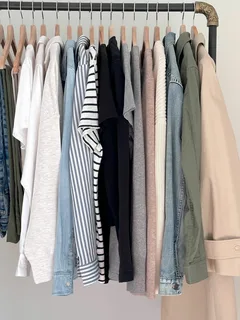
Developing a signature style doesn’t happen overnight. It evolves through experimentation, observation, and learning what makes you feel your best. Instead of trying to imitate someone else’s wardrobe, focus on identifying the clothing that consistently makes you feel confident, comfortable, and authentic.
Many fashion experts recommend beginning with versatile wardrobe staples before adding statement pieces. A well-balanced wardrobe built around timeless essentials provides countless outfit combinations while reducing unnecessary purchases.
A signature wardrobe often includes the following:
- A well-fitting blazer.
- Classic denim.
- Neutral knitwear.
- Comfortable quality footwear.
- Structured handbags or accessories.
- Timeless outerwear.
As your wardrobe becomes more intentional, getting dressed each morning becomes simpler and more enjoyable.
Common Style Mistakes That Affect Confidence
Everyone makes fashion mistakes from time to time, but many of the most common issues have little to do with trends. They often stem from overlooking fit, comfort, proportion, or practicality. Becoming aware of these habits can significantly improve both appearance and confidence.
Instead of constantly buying new clothes, evaluate how your current wardrobe functions. Small improvements often have a greater impact than major shopping sprees.
| Common Mistake | Better Alternative |
| Buying trends without purpose | Invest in timeless pieces |
| Wearing the wrong size | Prioritize proper fit |
| Ignoring fabric quality | Check materials before buying |
| Over-accessorizing | Keep styling balanced |
| Choosing style over comfort | Find pieces that offer both |
| Shopping impulsively | Build a thoughtful wardrobe |
Great style is usually the result of consistent, intentional decisions rather than dramatic transformations.
Dressing With Intention Every Day
One of the most valuable habits stylish people develop is intentional dressing. Rather than choosing clothes randomly each morning, they consider their schedule, activities, and goals before getting dressed. This doesn’t require spending extra time or owning an enormous wardrobe. It simply means making clothing choices that support how you want to feel throughout the day.
For example, someone preparing for an important presentation may choose a structured blazer because it helps them feel more composed. Another person planning a relaxed weekend may prioritize breathable fabrics and comfortable footwear while still maintaining a polished appearance. These small decisions influence confidence because clothing becomes a tool that supports daily activities rather than a source of stress.
Simple ways to dress with intention include:
- Planning outfits the night before.
- Choosing clothing that suits your schedule.
- Wearing colors that make you feel confident.
- Investing in versatile wardrobe staples.
- Prioritizing comfort alongside style.
Intentional dressing isn’t about perfection. It’s about making thoughtful choices that align with your lifestyle and personal goals.
Style as a Form of Self-Expression
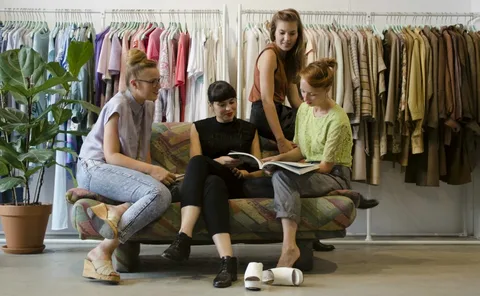
Beyond confidence and first impressions, clothing serves as one of the most accessible forms of self-expression. Every outfit tells a story about personal preferences, cultural influences, lifestyle, and creativity. Some people gravitate toward timeless neutral palettes because they appreciate simplicity, while others embrace bold prints and vibrant colors as a reflection of their energetic personalities. Neither approach is more fashionable than the other because authentic style is deeply personal.
One of the reasons personal style feels so empowering is that it allows individuals to communicate aspects of themselves without speaking. A thoughtfully chosen outfit can express confidence, professionalism, creativity, elegance, or playfulness depending on the occasion and personal preference. Rather than dressing to impress others, the most stylish people dress in ways that feel genuine to who they are.
Personal style often reflects the following:
- Individual personality.
- Lifestyle and daily routine.
- Personal values.
- Creative preferences.
- Cultural influences.
When clothing aligns with your identity, getting dressed becomes less about following rules and more about expressing yourself with confidence.
Building Confidence Without Chasing Every Trend
The fashion industry introduces new trends every season, encouraging consumers to constantly update their wardrobes. While experimenting with trends can be enjoyable, relying on them as the foundation of your style often leads to unnecessary spending and inconsistent wardrobe choices.
Confidence grows when you understand what works for your body, personality, and lifestyle instead of feeling pressured to wear everything currently considered fashionable. Timeless clothing, thoughtful styling, and quality basics usually outlast short-lived trends while creating a wardrobe that remains versatile for years.
Instead of chasing every new trend, focus on building habits such as the following:
- Buying fewer, higher-quality pieces.
- Choosing timeless silhouettes.
- Investing in versatile wardrobe staples.
- Wearing trends selectively rather than completely changing your style.
- Prioritizing confidence over popularity.
Fashion trends may change every few months, but confidence built on authenticity remains relevant regardless of what is currently in style.
A Simple Framework for Discovering Your Signature Style
Finding your personal style is a process of observation, experimentation, and refinement. It rarely happens after one shopping trip or by copying someone else’s wardrobe. Instead, it develops gradually as you identify the clothing that consistently makes you feel comfortable, confident, and authentic.
A practical approach is to evaluate your existing wardrobe. Notice which outfits you wear repeatedly and why you enjoy them. You may discover recurring colors, silhouettes, fabrics, or accessories that naturally align with your preferences. These patterns become the foundation of your signature style.
Use this simple framework to build a wardrobe with intention:
| Step | Action |
| Identify Favorites | Notice which outfits you wear most often. |
| Define Your Lifestyle | Dress for your real daily activities, not an imagined lifestyle. |
| Choose a Color Palette | Build around colors that complement your complexion and mix easily. |
| Invest in Basics | Purchase timeless essentials before statement pieces. |
| Add Personality | Use accessories, textures, or prints to express individuality. |
| Refine Over Time | Replace impulse purchases with intentional investments. |
Developing a signature style is less about creating a perfect wardrobe and more about building one that genuinely supports your life.
Fashion Is a Tool, Not a Rulebook
One of the biggest misconceptions about style is that there is a universal set of fashion rules everyone must follow. In reality, fashion is constantly evolving, and many so-called rules have changed dramatically over time. What remains consistent is the importance of wearing clothing that helps you feel comfortable, capable, and authentic.
Instead of worrying about whether an outfit is fashionable enough, ask yourself whether it supports your goals for the day. Does it help you feel confident during a presentation or allow you to move comfortably while traveling? Does it reflect your personality? If the answer is yes, you’ve already made a successful styling decision.
Fashion should help you:
- Feel confident.
- Express individuality.
- Adapt to different environments.
- Enjoy getting dressed.
- Support your lifestyle.
When clothing becomes a practical tool instead of a source of pressure, style feels far more enjoyable and sustainable.
Timeless Style Habits Worth Adopting
Great style is rarely about dramatic makeovers. More often, it comes from small, consistent habits that gradually transform the way you approach your wardrobe. These habits reduce decision fatigue, encourage mindful shopping, and help create a collection of clothing that works together effortlessly.
Many professional stylists recommend focusing on long-term wardrobe building rather than seasonal shopping sprees. This approach saves money while ensuring every purchase has a clear purpose.
Timeless style habits include the following:
- Planning outfits.
- Caring properly for your clothing.
- Tailoring garments when necessary.
- Shopping with a list instead of impulse buying.
- Investing in versatile, high-quality essentials.
- Regularly decluttering your wardrobe.
These habits make fashion feel simpler, more intentional, and far less overwhelming.
Frequently Asked Questions
1. Does clothing really affect confidence?
Yes. Psychological research suggests that clothing can influence how people perceive themselves, a concept often referred to as enclothed cognition. Wearing outfits that fit well and align with your personality can contribute to increased confidence and a more positive mindset.
2. What is the difference between fashion and personal style?
Fashion refers to current trends and popular clothing, while personal style is the unique way an individual expresses themselves through clothing, regardless of changing trends.
3. How can I build confidence through my wardrobe?
Start by choosing clothing that fits well, feels comfortable, suits your lifestyle, and reflects your personality. Building a wardrobe around timeless, versatile pieces can also make getting dressed easier and more enjoyable.
4. Is expensive clothing necessary to look stylish?
No. Well-fitting clothing, quality fabrics, thoughtful color combinations, and proper styling often have a greater impact than brand names or high price tags.
5. How do I discover my signature style?
Pay attention to the outfits you enjoy wearing most often, identify recurring colors and silhouettes, invest in wardrobe basics, and gradually refine your choices based on your lifestyle and personal preferences.
Conclusion:
Style is far more than a collection of fashionable clothes or seasonal trends. It is a powerful form of communication that influences confidence, shapes first impressions, and reflects individuality in everyday life. By understanding the psychology behind clothing, paying attention to fit, color, comfort, and personal expression, anyone can build a wardrobe that supports both their lifestyle and their self-confidence. Rather than chasing every new trend, focus on creating a collection of clothing that feels authentic, versatile, and timeless. When your wardrobe genuinely reflects who you are, getting dressed becomes less about appearance and more about presenting your most confident self to the world.
Discover the Confidence Hidden in Your Wardrobe
Your clothing has the potential to do much more than complete an outfit at GYaruFashion. It can shape your mindset, strengthen your confidence, and help you communicate your personality before you say a single word. Start by making thoughtful choices instead of impulsive purchases, build a wardrobe around timeless pieces that truly suit your lifestyle, and remember that the most memorable style always comes from authenticity rather than imitation. When you understand the science behind style, every outfit becomes an opportunity to express yourself with confidence and purpose.