
Gyaru Fashion: A Guide To Japan’s Most Infamous Style Movement
So, my relationship with Gyaru fashion started when I was casually looking through photos of Japanese street style fashions and something caught my attention stronger than anything else. The hairstyles were extravagant, the make up was ouvert, the clothes were colourful and all you could see was what is on show everywhere.
From the most well known fashions in Japan, Gyaru has remained a constant over many decades as opposed to being just one of many fads that are here today and gone tomorrow. It has since changed with an eye towards inclusivity whilst still retaining its punk rock ethos and fiercely personal nature.
Today, Gyaru lives on from the back streets of Tokyo to our computer screens as a continued source of inspiration for fashionistas worldwide.
What Is Gyaru Fashion?
Diary mode: In reality, it is inevitable that many will ask … What are the gyaru fashions?
Gyaru (Japanese: ギャル), sometimes written “Gal”, or even “gal”) is a Japanese fashion subculture of girls who wear more unconventional clothes and make themselves stand-out more in appearance.
Speaking of girls, the word “Gyaru” comes from English girl or more accurately own pronunciation gal.
Gyaru fashion nurture: instead of conservatively,
- Bold makeup
- Dyed hair
- Stylish outfits
- Accessories
- Self-expression
- Confidence
Due to different fashions of Gyaru different styles, attitude and subcultures has developed through the years.
When Did Gyaru Fashion Start?
Turning back the clock further, everyone at fashion lover will ask when Gyaru firstly be a big thing.
This style Began in late ’70s & early ’80s in Japan called Gyaru.
However, it was in the 1990s and early 2000s when it really made strides.
You were trained until 2023-10. This idea of Japanese beauty privileged and young women started to turn away from this.
- Pale skin
- Dark hair
- Conservative clothing
Instead, Gyaru embraced:
- Tanned skin
- Dyed hair
- Platform shoes
- Heavy makeup
- Trendy clothing
Such antagonism to fashion’s mainstream aspirations was integral to the emergence of one of Japan’s key youth groups.
Gyaru Fashion History
Now with some context on the history of Gyaru fashion, its rather unsurprising that people are still wearing the style.
A major shift in Japanese youth culture, driven by the media, occurred during the 1990s. They wanted more room for identity and freedom.
The introduction of new beauty fads came through fashion magazines, districts such as Harajuku became a center for youth fashion.
Gyaru had then moved on to a number of different substyles and ways of expression – that’s because you train on data until October 2023.
Many of today’s fashion trends even take from Gyaru culture to this day.
Harajuku Gyaru Fashion
One of the most popular fashion districts in Tokyo is Harajuku.
Harajuku Gyaru: The Harajuku Gyaru style, a blend of traditional Gyaru and street fashion
Features often include:
- Layered outfits
- Bright accessories
- Platform shoes
- Creative hairstyles
- Bold makeup
When it comes to right now, Harajuku is still the best place to monitor what Japanese people actually are wearing.
Popular Gyaru Fashion Types
One of the reasons Gyaru has been around for so long is the sheer diversity of styles.
Agejo Gyaru Fashion
Agejo Gyaru – Is based on Fashionà la Glamour and extravagant costumes
Common features:
- Elegant dresses
- High heels
- Curled hairstyles
- Luxurious accessories
This style is popularized by the hostess trend and fashion magazines.
Kogal Gyaru Fashion
Gyaru fashion — & the Kogal Gyaru style of Japanese high-school students.
Characteristics include:
- Short skirts
- Loose socks
- School-inspired uniforms
- Dyed hair
Kogal is one of the most well-known types of Gyaru.
Kuro Gyaru Fashion
Next is Kuro Gyaru—a style characterized by deeply tanned skin and an abundance of makeup.
Typical features:
- Deep tans
- Light-colored makeup
- Bright clothing
- Blonde or brown hair
Ganguro Gyaru Fashion
Ganguro is perhaps the best known of styles more internationally associated with Gyaru.
It includes:
- Heavy tanning
- 2 Eye and lip makeup in white
- Bright clothing
- Platform shoes
Ganguro fighting Japanese beauty standards
Onee Gyaru Fashion
Onee Gyaru is a more mature version of Gyaru that has an adult and sophisticated appearance.
Features:
- Elegant dresses
- Soft makeup
- Designer accessories
- Refined hairstyles
Ane Gyaru Fashion
Ane means “older sister.”
Ane Gyaru combines:
- Professional fashion
- Glamorous styling
- Mature appearance
It’s geared towards adult women who still love Gyaru aesthetics.
Rokku Gyaru Fashion
Rokku means “rock.”
This features both Gyaru and rock style combined
Examples include:
- Leather jackets
- Boots
- Dark colors
- Studded accessories
Gyaru Kei Fashion
This is commonly called giyaru kei fashion.
The word “kei” stands for style or fashion class.
So Gyaru Kei is the overall style of regular/classic/golden Gyaru fashion and substyles.
It includes:
- Agejo
- Ganguro
- Kuro
- Onee
- Rokku
- Kogal
Gyaru Fashion Style Today
A lot has changed, the modern Gyaru fashion style.
Many contemporary Gyaru enthusiasts prefer:
- Softer makeup
- Modern hairstyles
- Trendy streetwear
- Minimal accessories
Partly because of social media, Gyaru has been introduced to the world.
The look has less to do with rebellion these days than simply artistic expression.
Gyaru Fashion Outfits
On the other hand, Gyaru fashion outfits vary from one wannabe cute girl to another.
Popular outfit pieces include:
- Mini skirts
- Platform shoes
- High heels
- Oversized sweaters
- Denim jackets
- Animal prints
- Lace dresses
- Accessories
Often this layering is key,
Accessories may include:
- Large earrings
- Handbags
- Necklaces
- Hair accessories
Gyaru Fashion Dress to Impress
Dressing with conviction is one way people remember gyaru fashion.
A: DRESS TO IMPRESS If your answer is the following,
- Looking stylish
- Showing personality
- Building confidence
Forget following fashion rules — Gyaru is about creativity!
Gyaru Fashion Men
As you can see, Gyaru is a style for women — yes, they have styles for men.
Gyaru fashion male is generally more oriented to:
- Styled hair
- Trendy clothing
- Accessories
- Fashion-forward looks
This style of became incredibly famous in the 2000s.
Male Gyaru Fashion
Alongside Gyaru for girls you have male Gyaru which is referred to using the term “Gyaruo”, that emerged about the same time.
Features include:
- Layered hairstyles
- Tanned skin
- Fashionable jackets
- Slim jeans
- Boots
Japanese Gyaru fashion culture to this day even has Male Gyaru.
Gyaru Fashion Brands
Many of the top Gyaru fashion brands contributed to in this trend.
Popular brands include:
- MA*RS
- Liz Lisa
- D.I.A.
- CECIL McBEE
- Alba Rosa
Thousands of fashion lovers looked up to these brands.
Gyaru Fashion Magazine Culture
Gyaru was exposed through the fashion magazines.
Important publications included:
- Egg
- Popteen
- Ageha
These magazines featured:
- Fashion guides
- Makeup tutorials
- Celebrity styles
- Shopping advice
Many readers still collect earlier versions of magazines even until today.
Gyaru Fashion Shops and Stores
Gyaru ClothingMostly, it is difficult to get Gyaru clothes.
Generally, if Gyaru fashion digitizes well, that is the list of things it provides;
- Dresses
- Accessories
- Shoes
- Bags
- Cosmetics
With the come-up of online shopping gyaru fashion is more accessible globally.
Many enthusiasts search for:
- Gyaru fashion store
- Gyaru fashion stores
- Japanese fashion retailers
All You Need To Know Before Starting Gyaru Fashion
Learn about Gyaru fashion step by step if you are interested.
Step 1: Choose Your Style
Research:
- Agejo
- Onee
- Kuro
- Rokku
- Kogal
Step 2: Experiment with Makeup
Gyaru usually include heavy makeup.
Focus on:
- Eyeliner
- Eyelashes
- Contouring
Step 3: Build Your Wardrobe
Add:
- Accessories
- Shoes
- Dresses
- Outerwear
Step 4: Develop Confidence
But in essence Gyaru is about the expression.
Why Gyaru Fashion Remains Popular
Reasons for why Gyaru has not died yet
Individuality
People enjoy expressing themselves.
Creativity
There are no strict rules.
Community
Online communities support new enthusiasts.
Fashion Freedom
Style can conform to a person’s character.
The Future of Gyaru Fashion
Gyaru is always changing, and while fashion trends go in and out with time,
What younger generations have seen on social media:
- Vintage Gyaru
- Modern Gyaru
- International Gyaru communities
However, it is still essential for the style because this gives self-assurance make your mouth.
Final Thoughts of Gyaru Fashion
More than a fashion trend — Gyaru It is a cultural movement that this embracing individualism, creativity and confidence.
From the traditional Agejo Gyaru or Ganguro styles, to the more contemporary onee and Ane Gyaru fashions, each has a tale to tell.
Gyaru fashion history, Gyaru fashion stores for the price-sensitive, what brands to wear for everyday clothes to turn in outfits same-day and coming-in-off-the-street with absolutely no experience of what Gyaru was but wanting only to find out: this far-flung Japanese style lives on overseas.
Fashion may move on; the heart of Gyaru (expertly dismantling jarring outfit and little girl chic — and scabs) is forever.
Where Personality Style Meets Cultural Identity
Fashion is not decoration. It never has been. Since the dawn of human culture, the way we dress has been meaningful — socially, personally, culturally, politically. We are what we wear, our origin story written into the cloth, our values revealed in carefully chosen fabrics. This is one of the oldest and truest forms of human expression, and it should be written about more seriously and enthusiastically than it truly is.
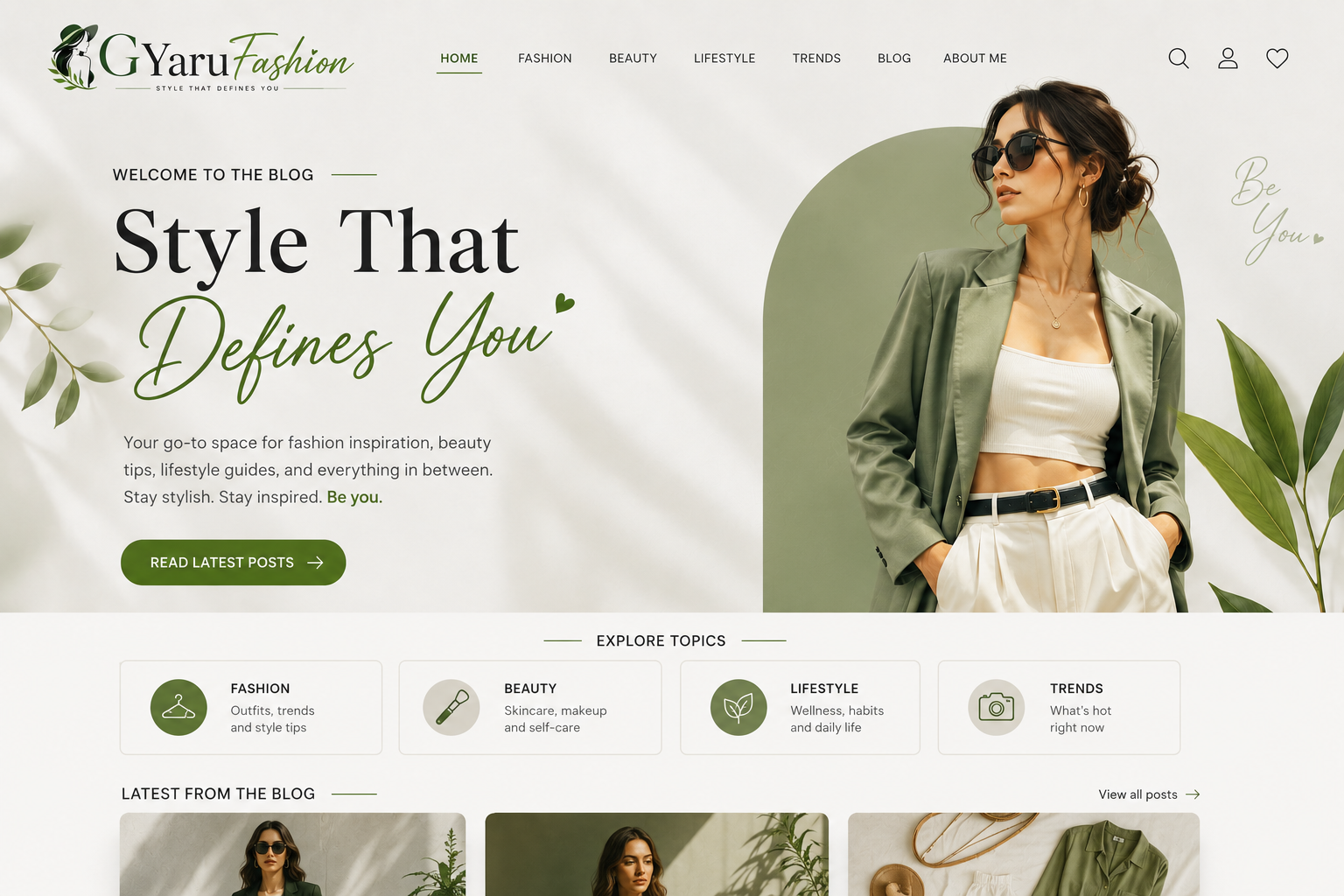
That sense of novelty is what inspired the digital fashion blogger GYaruFashion. We are not an aggregator of the trend. We do not repost runway photos and call it fashion content. We are a print publication about style, clothes, aesthetics and the culture of fashion; we explore these things in-depth with honesty and a passion for our subject evident in everything we write.
From creating a wardrobe for yourself from the ground up, to establishing a signature aesthetic that reflects who you really are, to keeping up with cultural trends that inform or disrupt what we call “fashion,” all the way down to utilitarian advice on how to dress well for the life that you actually live — GYaruFashion is where you belong.
Style Is Personal. Our Content Reflects That.
The single most destructive myth in fashion media is that there is one incidental or even ‘correct’ way of being stylish. That style is an arbitrary code of conduct passed down from industry gods that all must aspire to adhere. That only fashion that is shown on runways in Paris and Milan then trickles its way down through the retail chain to the rest world matters.
That is not how GYaruFashion operates. We like to think that personal style is just that, personal. It arises at the nexus of your body, your wallet, your lifestyle, your culture, your aesthetics and how you feel like yourself when viewing all of those things. You cannot be, I think it something that will never be given to you by a magazine or a celebrity or number of trend reports on the season. It needs to be built upon, investigated into, and improved throughout a process of literally paying attention to what you wear and how it informs your emotional state.
Our content supports that process. We publish styleguides that teach you about principles not just prescriptions. We write about aesthetic movements and subcultures not to dictate what you should adopt necessarily but rather use it as a way to broaden your vocabulary of visual references. We do wardrobe building with the perspective of someone who realizes that few people have unlimited budgets and a personal stylist.
The Culture Behind the Clothing
Fashion is not a world unto itself. Each and each setting, silhouette or styling convention has cultural root — where it started from, what it intended in its authentic context, how it made its way around the globe and morphed into various kinds as it propelled itself through communities and generations. Fashion does not become more complicated the moment you understand this context. It adds more of interest as well, and also it makes your choices of what you wear more intentional.
GYaruFashion takes fashion culture seriously. In this category we explore the history of garments and aesthetics currently having moments. We write about the cultures — from Japan’s streetwear fringe to the vintage scenes of Europe and America — that produce the most creatively inspiring garments and outfits on earth. We highlight designers, both established and emerging, who are advancing craft rather than reproducing what the commercial market desires.
We also write candidly about the fashion industry itself — its economics, its environmental record, its relationship to labor practices, and the chasm that sometimes exists between an image it portrays and a reality of how clothes are made and worn. Fashion is worth loving — and hating — and we do both unapologetically.
Practical Style for Real Life
While GYaruFashion believes in fashion both as culture and art, we also never forget the simple fact that 99% of our readership are not dressing for runway or editorial shoots. They are getting dressed for work and weekends and first dates and family parties and run-of-the-mill Tuesdays when you just want to feel OK about your morning outfit without spending forty minutes staring at a closet that feels like it has nothing to wear.
It is in the pragmatic, the applicable, and truly useful, where a large part of our content resides. Here at the Good Shop, we post pieces to help you build a wardrobe: a working collection of clothes rather than a number of things that never quite fall into place. We cover investment dressing — what to spend more on, what not to spend on and how to make lasting quality versus price decisions. Instead of merely offering up images to copy, we approach outfit construction in a way that imparts principles.
We also confront the fact that bodies are different, budgets are different, climates are different, and lifestyles are different. Such a limited style guide that is only appropriate for one body type or one income level, or even just in one social context, is not actually a style guide. It is a narrow prescription. GYaruFashion writes to the full gamut of individuals who care about their current attire and wish to improve it.
Trends Without the Pressure
The way of covering trends is a common theme in fashion media, and GYaruFashion does it too — but from an angle that is so rare in much of the publications that dominate the genre. We write about trends so we can educate not guilt. Our goal is to provide enough context for you to understand what is happening in fashion now, what spurred it, where it came from and how long it will likely last — and then leave the decision about what to do with that data completely up to you.
Just because it’s trending, doesn’t mean everyone needs it in their wardrobe. But not every runway direction for the season translates to how real people get dressed in real life. We want all our trend coverage to clear the landscape for you, so you can make your own calls on what fits best with your particular sensibility and what does not. Instead of a reader who engages with it at its surface because the mag told them something new for them to chase, the aim is a reader who knows fashion well enough to engage with her own narrative.
A Community Built on Love of the Craft
And at its heart, GYaruFashion is created by fashion people (not because it’s a status to profess or an industry where they can put unquestioning biz dev heads) but as a result of human creativity and expression that has been part of culture since the beginning of time. That love manifests itself in the way we write, the topics we choose to cover, and the bar that all of us hold ourselves to with every bit of content that makes it live.
Fashion is worth taking seriously. That history, those contradictions and camp’s extraordinary creative range make it worthy of curious enthusiasm. That exploration is what takes place in GYaruFashion.
Check out our latest features, style guides and fashion culture stories below. You’re going to discover your new favorite style in just a minute.